




Last updated: March 2026 - we review this guide before every cruise season.
Palma, capital of the Balearic Islands, is one of Spain's most visited cruise ports. The city is dominated by its magnificent Gothic cathedral, La Seu, which rises from the seafront and can be seen from the ship as you approach. Palma attracts sun-seekers, culture enthusiasts and luxury shoppers in equal measure. The old town is compact and easily navigated on foot, with honey-coloured stone buildings, narrow medieval streets and a lively waterfront lined with restaurants and bars. Nearby beaches offer an alternative to city exploration, and the mountainous interior of Majorca is accessible for day trips. Note that Palma's cruise port situation is evolving; the city council is proposing cruise limits and extra fees in future, so plan accordingly.
At a glance
| Port | Estació Maritima (main terminal, 40 mins to city centre) or Porto Pí (secondary, 75-90 mins to city centre) |
|---|---|
| City access | Bus, taxi, hop-on-hop-off, or scenic waterfront walk; beaches and old town within reach |
| Don't miss | La Seu Cathedral, Palau de l'Almudaina Palace, Passeig des Born, beaches, nearby villages |
Quick Facts for Cruise Passengers
- Currency: Euro (EUR)
- Language: Catalan and Spanish; English widely spoken in tourist areas.
- Emergency number: 112
- Main cruise terminals: Estació Maritima (primary) and Porto Pí (secondary)
- Distance to city centre: 40 minutes by bus/taxi from Estació Maritima; 75-90 minutes from Porto Pí. Scenic 6km waterfront walk possible from Estació Maritima.
- Key reference point: La Seu Cathedral on the waterfront
- Pickpocket risk: Low to moderate. Normal city precautions apply, particularly on buses and in crowded areas.
- Cards or cash: Mix of both. Most shops and restaurants accept cards, but some smaller venues prefer cash.
- Weather: Hot and sunny May-September (25-30°C). Mild October-April (12-18°C). August is peak tourist season.
- Wi-Fi: Available in most cafes and restaurants. Free Wi-Fi in some public spaces and hotels.
Where Do Cruise Ships Dock in Palma?
Most cruise ships dock at the Estació Maritima, a modern terminal next to the yacht basins, approximately 6 kilometres (40 minutes by bus or taxi) from the city centre. Some larger ships or during peak season may dock at Porto Pí, a secondary cruise pier on the western edge of Palma near a fortress, which is 75-90 minutes from the main tourist sights on foot but has a large shopping mall nearby.
The main advantage of Palma is that the port is compact and well-serviced with transport options. For the energetic, a scenic 6km waterfront walk connects the Estació Maritima to the old city, passing yacht moorings and eventually arriving at the Cathedral. Most passengers, however, will prefer to take the bus, taxi or hop-on-hop-off service into town.

How to Get from Palma Cruise Port to the City Centre
Can you walk from Palma cruise terminal to the city centre? It's possible but not practical. The Estació Maritima is 6km from the old city (40 minutes to 1 hour's walk). However, the waterfront walk is scenic if you have time and enjoy walking. Most passengers use public transport.
Bus
Bus number 1 runs every 15 minutes from the terminal to the city centre. At the time of writing, tickets were 3 EUR to the city, 5 EUR to the airport. Get off at the Argentina stop and walk towards the Cathedral. This is the most economical option.
Taxi
All taxis are metered and fairly expensive. The journey to the city centre costs approximately 10 EUR. Taxis are plentiful at the terminal. Negotiate if the meter appears broken, but this is rare.
Hop-on-Hop-off Bus
A dedicated hop-on-hop-off service operates with a stop right in front of the cruise terminal, offering open-top sightseeing of major attractions.
Cruise Line Shuttle
Most cruise lines offer a shuttle service from the port to a central point near the Cathedral, usually costing 12 EUR. This is more expensive than bus number 1 but convenient for those wanting a direct ride to a key landmark.
Scenic Waterfront Walk
For the energetic passenger, a 6km walk along the curving seafront connects the terminal to the old city. You'll pass yacht moorings in the inner bay and eventually reach restaurants, shops and the Cathedral area. Allow 1-1.5 hours and bring water.
Best Things to Do in Palma on a Cruise Stop
Palma's main attractions are concentrated in the old city near and around the Cathedral. Most sights are walkable once you're in town. The city combines culture, shopping and beach access, with options for all interests and time frames.
La Seu Cathedral
Palma's iconic landmark, a stunning Gothic cathedral rising directly from the waterfront. Entry €10 for adults (€8 for over 65s). Open Mon–Fri 10am–6:15pm, Sat 10am–2:15pm. Allow 1 hour. The Cathedral is an excellent reference point for navigating the old town.
Palau de l'Almudaina (Royal Palace)
Located on the harbour near the Cathedral, this palace features Moorish, Gothic and Renaissance influences. It is the official residence of the Spanish royal family when in Palma. Entry at the time of writing was around 10 EUR. Allow 45 minutes to 1 hour.
Banys Arabs (Moorish Baths)
Ancient Moorish bathhouse located near the palace area. One of the few remaining structures from Palma's Islamic period. Entry at the time of writing was around 6 EUR. Allow 30 minutes. The building is small but atmospheric.
Passeig des Born
A tree-lined boulevard considered the heart of city life, running from the Cathedral area towards Plaça d'Espanya. Lined with restaurants, cafes, shops and galleries. Free to explore and perfect for strolling and people-watching. Allow 1 hour.
Old Town (Ciutat Antiga)
Medieval streets with honey-coloured stone buildings, boutique shops, galleries and small restaurants. Best explored on foot, wandering without a specific route. Allow 1-2 hours depending on shopping interests. Most streets are pedestrianised and very walkable.
Nearby Beaches
Several beaches are within reach of the city centre by bus or taxi: Playa de Palma (urban beach, 5km south), Cala Mayor (sheltered cove, 8km west) and Paseo Maritimo (promenade beach). Summer water temperature is warm (24-26°C); spring and autumn are cooler.
Port and Waterfront
Stroll the harbour area, watch the yachts and take in the views of the Cathedral from across the water. Many restaurants and cafes line the waterfront, offering good lunch options with a view. Free to explore.
How long do you need in Palma?
- 6 hours: Cathedral, a walk through the old town and lunch. Passeig des Born is reachable.
- 8 hours: All of the above plus the Palau de l'Almudaina and a beach visit or more extended shopping in the old town.
- 10+ hours: Full exploration of Cathedral, Palace, Moorish Baths, old town, beaches, and possibly a day trip to nearby villages or mountain areas.
Find and book Palma activities
Disclosure: If you book through some links on this page, we may earn a small commission at no extra cost to you.
Is Palma Easy to Explore Independently?
Yes. Once you reach the city centre by bus or taxi, Palma is compact and walkable. English is widely spoken in tourist areas, signage is clear and locals are helpful. The old town is pedestrianised and designed for exploring on foot.
The main inconvenience is the distance from the cruise port to the city centre, but this is easily resolved by taking bus number 1 (the most economical and practical option). Allow 40-50 minutes for the journey including waiting time.
Independent exploration offers better value than cruise ship excursions and more flexibility to follow your interests.
Best Shore Excursions from Palma
Palma-based shore excursions typically focus on the city's culture (Cathedral, Palace, old town), beaches, or day trips to nearby mountain villages. The most popular independent options are:
- Guided old town and Cathedral walk
- Beach day at Playa de Palma or Cala Mayor
- Day trip to villages in the Tramuntana mountains (Deià, Sóller, Valldemossa)
- Boat excursion along the coast or to smaller islands
- Wine tasting in the island's wine regions
Given the abundance of cheap public transport, independent exploration is often more rewarding than pre-booked excursions. Bus number 1 and local taxis allow you to craft your own itinerary.
Find and book Palma activities
Disclosure: If you book through some links on this page, we may earn a small commission at no extra cost to you.
Shopping, Food and Practical Notes
Shopping hours
Most shops open 10:00-14:00, then 17:00-20:00, Monday to Saturday. Many close Sunday. Department stores and shopping malls stay open longer, often all day. During summer season, hours may extend until 21:00 or later to accommodate tourists.
Where to eat
Palma offers excellent dining at all price points. Casual meals cost 12-20 EUR, mid-range restaurants 25-45 EUR at the time of writing. The waterfront is lined with restaurants, many with views of the Cathedral. Passeig des Born has many cafes and eateries. Spanish specialities include paella, seafood rice dishes, tapas and local sausages.
Getting connected
Wi-Fi is available in most cafes and restaurants. Free public Wi-Fi is available in some areas and hotels. Mobile phone coverage is excellent from all providers. Consider a local SIM if staying multiple days.
Money and tipping
Palma uses the Euro. ATMs are plentiful. Most shops and restaurants accept cards, though some small venues prefer cash. Tipping is not obligatory but leaving 5-10% for good service in restaurants is appreciated.
Local Tips for Cruise Passengers in Palma
- Take bus number 1 from the cruise port. At 3 EUR to the city centre, it's the most economical and practical option. The bus is regular and reliable. Save money and time.
- The Cathedral is the best navigation landmark. Nearly all signs and local directions reference La Seu. Use it as your compass point for exploring the old town.
- Luggage storage is available at the port. If your ship offers this service, you can check luggage before flying out and explore Palma unencumbered with suitcases. Ask at the terminal.
- August is peak tourist season. If your cruise calls in August, expect crowds everywhere. May-June and September-October are better for a more relaxed visit.
- The old town is compact. Once in the city, you can see most major sights within 2-3 hours of walking. Pace yourself and stop for coffee.
- Beaches are easily accessible by bus. Playa de Palma (5km) and Cala Mayor (8km) are reachable by bus in 15-20 minutes. Ideal if you want to swim rather than sightsee.
- Watch for pickpockets on buses. Standard urban precautions apply. Keep valuables close and bags zipped.
- The city council is proposing cruise restrictions. Palma is considering limits on cruise ship calls and extra port fees. Check before booking future visits if you plan to return.
What to Pack for Palma
Palma's weather is sunny and hot May-September (25-30°C), mild October-April (12-18°C). Pack light, breathable clothing for summer visits and bring layers for spring and autumn. Sun protection is essential year-round. If you plan beach time, bring swimwear and water shoes.
- SPF 50 sun cream for Mediterranean sun
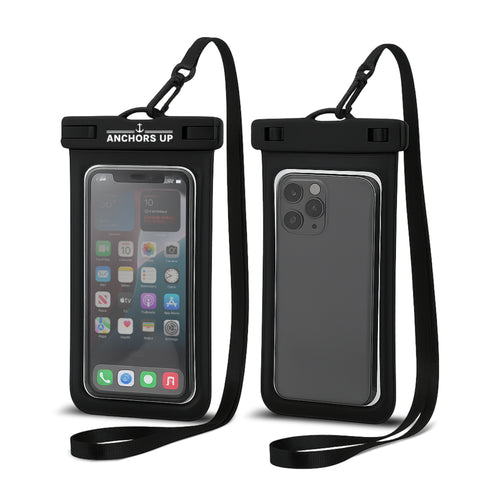
- Waterproof phone pouch if you plan beach time
- Cruise-approved EU adaptor for cafes and restaurants with Wi-Fi
- Luggage tag holders if checking bags at port
Going on a cruise soon? Here are our cruise essentials


Frequently Asked Questions about Palma Cruise Port
How long does it take to get from the cruise port to the city centre?
Approximately 40 minutes by bus number 1, or 10 minutes by taxi. The scenic waterfront walk takes 1-1.5 hours if you're energetic and have time.
What is the cheapest way to get to the city from Palma cruise port?
Bus number 1 at 3 EUR per person is the most economical option. It runs every 15 minutes. Taxis cost approximately 10 EUR. Cruise line shuttles are typically 12 EUR, making them more expensive than the bus.
What is Palma famous for?
The Gothic Cathedral (La Seu), the Palau de l'Almudaina Palace, beaches, shopping and its role as a Mediterranean luxury destination. Palma is also known for its old town charm, waterfront restaurants and nearby mountain villages.
Can you visit Palma in a day?
Absolutely. Six hours is enough for the Cathedral, old town and lunch. Eight hours allows the addition of the Palace and more extended shopping. Ten hours is ideal for a full exploration or beach time.
Is Palma good for beach time on a cruise stop?
Yes. Playa de Palma and Cala Mayor are accessible by bus within 15-20 minutes. Summer water is warm (24-26°C). Allow at least 4-5 hours if you want a proper beach visit.
What should I eat in Palma?
Paella, seafood rice dishes, tapas, local sausages (sobrasada), and tumbet (vegetable stew). The waterfront has excellent restaurants. Try local wine and brandy. Eat where locals eat for authentic flavour.
Is Palma safe for cruise passengers?
Yes. Palma is a well-established tourist destination with low violent crime. Watch for pickpockets on buses and in crowded areas. Normal urban precautions apply.
Are there good day trips from Palma?
Yes. The Tramuntana mountains to the west have picturesque villages like Deià, Sóller and Valldemossa. These are reachable by bus or organized excursion. Allow 4-5 hours for a mountain village visit.
More port guides
🗺 Explore all Western Mediterranean port guides →Browse all our cruise port guides →