




Last updated: March 2026 - we review this guide before every cruise season.
Barcelona is one of the great Mediterranean cruise ports, and one where the city itself can absorb as much time as you give it. The combination of Gaudí architecture, the medieval Gothic Quarter, the seafront, excellent food and world-class art makes it genuinely hard to know what to prioritise in a single port day. Most passengers arrive at Moll Adossat, a short shuttle ride from the city centre, and from there the decision is essentially which version of Barcelona you want: the iconic sights (Sagrada Família above all), the slower pleasures of the old city, the beach, or something further afield like Montserrat. All are achievable; none are possible to do properly at the same time.
At a glance
| Port | Moll Adossat, Port Vell - 2 to 4 km from city centre depending on berth |
|---|---|
| City access | Blue Port Bus shuttle (€3) to Columbus Monument; metro Line 3 from Drassanes; taxi ~€15 to Plaça de Catalunya |
| Don't miss | Sagrada Família (pre-book essential) and the Gothic Quarter |
Quick Facts for Cruise Passengers
- Currency: Euro (EUR). Cards widely accepted in shops, restaurants and transport, but carry some cash for markets and smaller establishments.
- Language: Spanish and Catalan. English widely spoken in tourist areas.
- Emergency number: 112
- Main cruise terminals: Moll Adossat (WTC), Port Vell, at the southern end of Las Ramblas. Multiple terminals; distance to city varies slightly by berth.
- Distance to city centre: Approximately 2 to 4 km from city centre depending on berth; port shuttle runs to Columbus Monument.
- Port shuttle: Cruiser T3 (the Blue Port Bus): €3 single, €4.50 return to Columbus Monument. Not valid with T10 metro card.
- Pickpocket risk: Very high on Las Ramblas and in the Gothic Quarter. Barcelona has a serious and well-documented problem with bag-snatching and distraction theft. Keep bags zipped, worn at the front, and never leave valuables on restaurant tables.
- Cards or cash: Cards accepted almost everywhere except small markets and some transport. ATMs widely available; use bank ATMs rather than standalone machines near the port.
- Museums closed: Most museums in Barcelona close on Mondays.
- Wi-Fi: Free Wi-Fi available along the Ramblas and in many cafes. Download an offline map before leaving the ship.
Where Do Cruise Ships Dock in Barcelona?
Barcelona's cruise terminals are located at Port Vell (Old Port), at the very southern tip of Las Ramblas. The port operates multiple terminals, and where you berth affects the walk to the Columbus Monument at the foot of the Ramblas. Some berths at Moll Adossat are walkable to the Columbus Monument in around 20 to 25 minutes, but most passengers use the port shuttle rather than making this walk, particularly in summer heat.
The terminals themselves are well-equipped with shops, cafes and tourist information. After clearing the gangway, the most direct route into the city is the Cruiser T3 port shuttle (the Blue Port Bus), which departs regularly from the terminal area and takes around 10 minutes to reach the Columbus Monument at the base of Las Ramblas. Single fare is €3, return is €4.50. From the Columbus Monument, the entire city opens up: Las Ramblas stretches north, the Gothic Quarter lies to the right, and the Barceloneta beach neighbourhood is to the left. If Barcelona is your embarkation port, make sure your cruise luggage tag holders are firmly secured and your tags completed before handing bags to the port agents.

How to Get from Barcelona Cruise Port to the City Centre
Can you walk from Barcelona cruise terminal to the city centre? Not comfortably. Moll Adossat is 2 to 4 km from the Columbus Monument depending on your berth, and the route runs along an uninspiring port road. The Blue Port Bus shuttle runs every 20 minutes, takes around 10 minutes and costs €3 single - almost all passengers use it. Walking is not a practical use of port-day time.
There are several ways to reach central Barcelona from the cruise terminal, each suited to different priorities.
Port Shuttle (Cruiser T3 / Blue Port Bus)
The port shuttle is the standard and simplest option. The Cruiser T3 departs from stops near the terminal buildings and drops passengers at the Columbus Monument at the foot of Las Ramblas. The journey takes around 10 minutes. Fare is €3 single or €4.50 return (cash or card at the bus). Note that your standard T10 metro card or transport zone pass is not valid on this service. The shuttle runs regularly throughout the port day and the return trip from the Columbus Monument is clearly signposted.
Taxi
Taxis are available at the terminal and are an efficient option if you have a specific destination in mind or are travelling in a group. A taxi to Plaça de Catalunya (the practical hub of central Barcelona, at the top of the Ramblas) costs around €15 and takes 10 to 15 minutes outside busy traffic periods. Note that taxis charge a port surcharge of approximately €2.10 when returning to the ship from the city, which is standard and legitimate. Agree that the meter is running at the start of the journey.
Metro
The nearest metro station to the Columbus Monument is Drassanes on Line 3 (green). TMB is Barcelona's metro and bus operator - their website has maps, fares and journey planner. From Drassanes, Line 3 gives direct access to Plaça de Catalunya (2 stops), Passeig de Gràcia (3 stops) and much of the rest of the city. A single journey is around €2.50, or a T-Casual (10-journey card) is better value if you plan to use the metro multiple times in a day. The metro is straightforward and well-signed in English. For Sagrada Família specifically, take Line 5 from Diagonal or Line 2 from Passeig de Gràcia.
On Foot from the Columbus Monument
Once at the Columbus Monument, the city is very walkable. Las Ramblas is a 15-minute stroll from the monument to Plaça de Catalunya. The Gothic Quarter is immediately to the right off the Ramblas. Barceloneta beach is a 10-minute walk to the east. However, Sagrada Família is 3.5 km from the monument and requires the metro or a taxi: it is too far to walk efficiently within a typical port day.
Best Things to Do in Barcelona on a Cruise Stop
A standard 8 to 10 hour Barcelona port call is enough to do two or three major things well, or to do one major sight and spend the rest of the day exploring the streets at a proper pace. The most common mistake is overloading the itinerary. Barcelona rewards depth over breadth, and the worst version of the city is a hot, exhausted rush between overcrowded landmarks.
Sagrada Família
Gaudí's unfinished basilica is the single most visited attraction in Spain and the non-negotiable sight for a first-time Barcelona visitor. The interior, fully completed in the past decade, is genuinely extraordinary: light floods through stained glass in ways that shift completely depending on the time of day, and the scale and intricacy of the structure needs to be seen in person to be understood from photographs. Book tickets well in advance online. Turning up without a booking means a very long queue or no entry at all, especially in summer. Allow 90 minutes minimum inside, plus travel time from the port (around 30 to 35 minutes by metro each way from the Columbus Monument). The full visit, including travel, takes around 3 to 3.5 hours of your port day.
The Gothic Quarter (Barri Gòtic)
The medieval heart of Barcelona is one of the best-preserved Gothic city centres in Europe, and its labyrinthine streets are rewarding simply to wander. The Barcelona Cathedral (La Seu) is a standout, with its cloister containing 13 geese as a reference to the martyred Saint Eulalia. The Plaça Reial, a grand 19th-century square with palm trees and restaurants, is a few minutes' walk from Las Ramblas. The Jewish Quarter (El Call) runs through the narrowest streets of the old city. The Gothic Quarter is free to explore and a good complement to any other plans for the day. Allow at least 90 minutes to 2 hours for a proper walk without rushing.
La Boqueria Market
The covered food market on Las Ramblas is one of the most famous in Europe. It is genuinely worth a visit for the visual spectacle of the produce stalls, the seafood counters and the Spanish charcuterie and cheese. However, be realistic: on cruise days La Boqueria is extremely crowded, the stalls closest to the entrance are priced for tourists, and the market has taken on a very commercial character in the busiest sections. Go early, head to the back of the market for the better-value stalls, and keep a firm hold on your bags at all times. Allow 30 to 45 minutes.
Las Ramblas Walk
The 1.2 km pedestrianised boulevard from Plaça de Catalunya to the Columbus Monument is a Barcelona institution, lined with street performers, flower stalls and cafes. It is worth walking once, ideally in the morning before the heat and crowds build. Be aware that Las Ramblas is the most pickpocketed street in the world by some measures: keep bags zipped and worn at the front, do not engage with overly friendly strangers, and do not leave anything on cafe tables. The walk itself takes about 20 minutes end to end.
Park Güell
Gaudí's public park in the hills above the city offers terraced views over Barcelona and the sea, mosaic-tiled benches, and some of the architect's most accessible and colourful work. The central Monumental Zone requires an advance ticket (around €10, timed entry). Book via the official Park Güell website. The surrounding park is free and also worth exploring. Allow 90 minutes including travel (around 25 minutes from central Barcelona by metro then short walk). Involves a significant uphill walk in the park itself, so wear comfortable shoes and bring water in summer.
Barceloneta Beach
The city beach is a 10 to 15 minute walk east from the Columbus Monument and is a genuine urban beach with good facilities, restaurants on the promenade and consistently clean water. In summer it is busy, but there is usually space. A morning beach visit works well as a relaxed start to a Barcelona day. The Barceloneta neighbourhood behind the beach is also worth exploring for its fish restaurants and local atmosphere.
Montserrat
The Benedictine monastery set into the extraordinary rocky mountain 50 km northwest of Barcelona is one of the most spectacular day trips available from any Mediterranean cruise port. The mountain scenery is genuinely dramatic, the monastery is historically significant, and the cable car or funicular approaches to the site are exciting. It takes around 90 minutes to reach by train and cable car from central Barcelona, so allow the full port day and nothing else. Best done on an organised excursion or with very careful independent timing. Do not attempt Montserrat and the city sights in the same day.
With a standard 8 to 10 hour call: a realistic plan is Sagrada Família in the morning (pre-booked, first entry slot available), then the Gothic Quarter and La Boqueria for the rest of the day, with lunch in the old city. Alternatively: a morning at the beach, afternoon in the Gothic Quarter, and the cable car up Montjuïc for the view over the port as you return. Montserrat requires giving up everything else.
How to plan your time in Barcelona
- 6 hours: Gothic Quarter, La Boqueria and Barceloneta beach. No pre-booking needed; highly enjoyable and not rushed.
- 8 hours: Sagrada Família in the morning (pre-booked first entry slot), then Gothic Quarter and lunch. The two essential Barcelona experiences in one day.
- 10+ hours: Add Park Güell (book the Monumental Zone in advance) or replace everything with Montserrat. Do not attempt Montserrat alongside the city sights.
Find and book Barcelona activities
Disclosure: If you book through some links on this page, we may earn a small commission at no extra cost to you.
Is Barcelona Easy to Explore Independently?
Yes, Barcelona is one of the most straightforward major cities to navigate independently on a cruise day. The metro is clean, well-signed and simple to use, English is widely spoken in tourist areas, and the main sights are distributed across a compact and logical city grid (the Eixample) and the old city. The port shuttle gets you to the Columbus Monument in 10 minutes, and from there you can reach almost anything that matters.
The one genuine complexity is Sagrada Família booking. Pre-booking is not optional in the practical sense: showing up without a ticket in peak season means either missing it or spending 45 to 60 minutes queuing, which eats significantly into a port day. Book timed entry online before you arrive. The official Sagrada Família website is the only booking channel you need.
The pickpocket situation in Barcelona is the other thing to take seriously. Las Ramblas, La Boqueria, the metro (particularly crowded tourist lines) and the Gothic Quarter all have high rates of opportunistic theft. The methods are well-known: distraction, fake petitions, bump-and-grab. A crossbody bag worn at the front with the zip facing inward, no phone visible in back pockets, and a general awareness of your surroundings are the practical precautions. This is not a reason to avoid the city; it is a reason to prepare. Using a retractable cruise card lanyard means your card is accessible at port security when you return without having to dig through a bag.
For Montserrat specifically: independent travel is perfectly viable (train from Plaça Espanya, cable car or rack railway up the mountain) but requires careful timing to be back at the ship. The last train back that reliably gets you to the port before a standard all-aboard time leaves the mountain in the mid-afternoon. Check train times against your specific all-aboard time before committing. Allow at least 60 minutes between the Columbus Monument and the ship for shuttle and any delays.
Best Shore Excursions from Barcelona
Barcelona's excursion options range from city walking tours to full-day Montserrat trips, coastal cycling, wine country tours and Dalí museum visits in the north. The city is comfortable enough to explore independently that ship excursions represent less value here than at more complex ports, but a few categories are worth considering.
- Montserrat full-day tour: The most-booked excursion from Barcelona for good reason. Transport is handled, the guide provides context for the monastery and mountain, and you are guaranteed a return in time for the ship. If Montserrat is your priority, a ship excursion here removes the timing stress.
- Barcelona city walking tour: A guided walk through the Gothic Quarter, Las Ramblas and the Waterfront, with Gaudí context. Good for first-timers who want history rather than logistics.
- Picasso Museum visit: The Picasso Museum (€12 advance booking) is one of Barcelona's finest art collections, housed in a medieval palace in the Gothic Quarter. Allow 1-2 hours. Book online in advance to skip queues.
- Sagrada Família guided visit: Some ship excursions include skip-the-line access to Sagrada Família with a guide. Worth considering if you have not pre-booked independently and cannot guarantee availability.
- Catalonia wine country: Half-day tours into the Penedès wine region, including visits to cava producers. A different perspective on the region for those who have seen Barcelona before.
- Cycling Barcelona: Guided bike tours of the seafront, Gothic Quarter and Olympic Port area are genuinely enjoyable in Barcelona and give good coverage of the flat waterfront and old city. A well-regarded option for active passengers.
One honest note: for the major city sights (Gothic Quarter, Barceloneta, La Boqueria), a ship excursion adds cost and schedule constraints without adding much that an independent visitor cannot achieve. The metro is easy, the city is safe enough with sensible precautions, and independent exploration gives you flexibility that a group tour does not. Ship excursions earn their premium in Barcelona mainly for Montserrat and for Sagrada Família if you have not pre-booked. Visit the official tourism website for more information on attractions and events.
Find and book Barcelona activities
Disclosure: If you book through some links on this page, we may earn a small commission at no extra cost to you.
Shopping, Food and Practical Notes
Shopping hours
Standard shop opening hours in Barcelona are Monday to Saturday, 9:30 to 13:30 and then 16:30 to 20:00. Large department stores and shopping centres (including El Corte Inglés on Plaça de Catalunya) stay open continuously from 10:00 to 21:00 or 22:00. In the tourist areas and the Ramblas, shops often stay open later in summer. Museums are generally closed on Mondays. The 5 km shopping spine runs from the top of the Ramblas along Passeig de Gràcia and up Avinguda Diagonal and covers everything from Spanish high street to luxury international brands.
Where to eat
Barcelona is an exceptional food city but the tourist-facing restaurants on Las Ramblas and directly around the major sights are not representative of it. Prices are high and quality is variable in these areas. For genuinely good value eating, head a few streets into the Gothic Quarter or El Born neighbourhood, where there are excellent tapas bars and restaurants at reasonable prices. The Barceloneta promenade has good fish restaurants, though these are pricier in the front-row beachfront locations. For a quick and authentic lunch, any decent bocadillo bar in the Gothic Quarter beats a menu del día on the Ramblas. La Boqueria has a good range of market snacks, though again the stalls at the back are better value than those at the entrance.
Getting connected
Free Wi-Fi is available along Las Ramblas and in most cafes. Barcelona's municipal Wi-Fi network (Barcelona WiFi) covers much of the tourist area. UK passengers should check current post-Brexit roaming charges for Spain before relying on mobile data. Download an offline map of Barcelona (Google Maps or maps.me both work well) before leaving the ship, including the metro map.
Money and tipping
Cards are accepted in almost all Barcelona restaurants, shops and attractions. ATMs are widely available; use bank branch ATMs rather than standalone machines near the port, which typically charge high fees. Tipping in Barcelona is not obligatory in the way it is in the US, but rounding up at a sit-down restaurant or leaving a euro or two per person is appreciated. For taxis, rounding up to the nearest euro is standard. Avoid the currency exchange kiosks along Las Ramblas and near the port, which offer poor rates.
Local Tips for Cruise Passengers in Barcelona
- Book Sagrada Família before you leave home. There is no over-emphasising this. Book timed entry on the official website as early as possible. The earlier in the day your slot, the better the light inside the basilica.
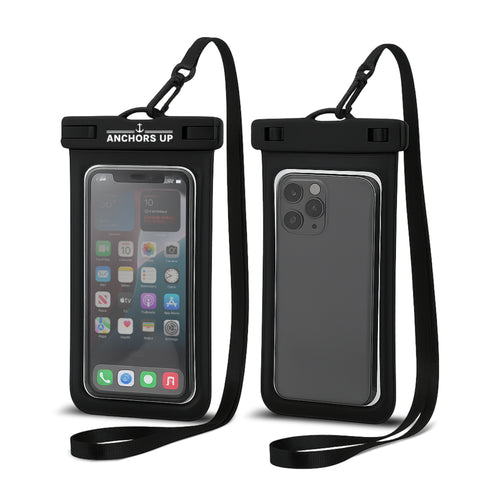
- Protect your belongings actively on Las Ramblas. Use a bag you can wear at the front with the zip facing inward. Keep your phone in a front pocket or inside a bag, never visible in a back pocket. Beware of friendly strangers who approach you; distraction theft is the method. This is worth saying plainly because it is a genuine risk that ruins port days for passengers who are not prepared for it.
- Use the metro for Sagrada Família and Park Güell. Both are too far to walk from the Columbus Monument comfortably. The metro is simple, cheap and fast. A T-Casual 10-journey card is better value than single tickets if you plan to use it three or more times.
- Go to La Boqueria early. The market is at its best before 11am. By midday on a busy cruise day it is extremely crowded and the main tourist stalls have long queues. The back of the market is calmer and the quality is better.
- Wear comfortable flat shoes. Barcelona's Gothic Quarter has uneven medieval flagstones and cobbles. Park Güell involves a significant uphill walk. Sagrada Família requires standing for long periods. Heels are a poor choice for a full Barcelona day.
- Accessibility note. Many of the Gothic Quarter streets have cobblestones and narrow pavements. Sagrada Família has lift access to most areas. Park Güell's Monumental Zone involves slopes and steps. The metro is generally accessible on main lines.
- One thing most passengers miss. El Born neighbourhood, just east of the Gothic Quarter, is the best area in Barcelona for lunch away from the crowds. It has some of the finest tapas bars and wine bars in the city, at prices well below the tourist trap restaurants on the Ramblas, and the streets are genuinely pleasant to wander.
What to Pack for Barcelona
Barcelona in summer is hot, sunny and busy. The practical priorities are comfortable walking shoes, sun protection, and a bag that can be worn securely. In shoulder season (April to May, September to October) a light layer is useful for the evenings, but daytime temperatures are generally pleasant for walking. Winter visits are mild by northern European standards but can be wet.
- Comfortable walking shoes or trainers. The Gothic Quarter has cobblestones, Park Güell has slopes, and Sagrada Família involves a lot of standing and slow movement. Flat, supportive shoes are essential for a full day in Barcelona.
- A crossbody bag or secure daypack. Worn at the front with the zip accessible to you but not to someone behind you. This is not optional advice in Barcelona; it is a practical necessity given the pickpocket risk on the main tourist routes.
- Sun protection. Barcelona in summer regularly reaches 30°C or above. High-factor sun cream, sunglasses and a hat are worth bringing for a full day outdoors, particularly for the queue outside Sagrada Família and the open terraces of Park Güell.
- A light layer. For shoulder season visits or air-conditioned restaurants and attractions. Even in summer, the Gothic Quarter streets can be cool in early morning.
- Water bottle. Tap water in Barcelona is safe to drink. Buying bottled water at tourist-area cafe prices adds up over a long day.
- EU travel adaptor. Spain uses the standard two-pin European socket. A cruise-approved EU adaptor is useful for charging devices at the terminal or in any shore-side cafe that offers charging.
- Downloaded Sagrada Família tickets. Print or screenshot your confirmation. The app-based tickets are straightforward but having a backup screenshot avoids panic if your phone struggles with signal at the entrance.
Going on a cruise soon? Here are our cruise essentials


Frequently Asked Questions about Barcelona Cruise Port
Which terminal do cruise ships use in Barcelona?
Barcelona's cruise terminals are located at Port Vell (Moll Adossat), at the southern end of Las Ramblas. The port operates several terminals and the specific one varies by ship and cruise line. All are served by the Cruiser T3 port shuttle (Blue Port Bus), which takes passengers to the Columbus Monument at the foot of Las Ramblas in around 10 minutes. From there the city is fully accessible.
Is there a shuttle bus from Barcelona cruise port to the city?
Yes. The Cruiser T3, known as the Blue Port Bus, runs between the cruise terminals and the Columbus Monument at the foot of Las Ramblas. Single fare is €3, return is €4.50. The shuttle is not included in your metro card. It runs regularly throughout the port day, including return services to the ship from the Columbus Monument stop.
Do I need to pre-book Sagrada Família?
Yes, strongly recommended. Sagrada Família is the most visited attraction in Spain and operates timed entry. In peak season (June to September) same-day tickets at the entrance are often sold out, and the queue for any remaining walk-up availability can be 45 to 60 minutes or more. Book on the official Sagrada Família website well in advance. Choose the earliest available entry slot to make best use of your port day and to see the interior in morning light.
How do I get from Barcelona cruise port to Sagrada Família?
Take the port shuttle to the Columbus Monument, then walk or take the metro from Drassanes station (Line 3, green). Change at Passeig de Gràcia for Line 2 (purple) or Line 5 (blue) to reach Sagrada Família station. Total journey is around 30 to 35 minutes from the Columbus Monument. Alternatively, a taxi from the Columbus Monument takes around 15 to 20 minutes depending on traffic and costs approximately €10 to €12.
Is Barcelona safe for cruise passengers?
Barcelona is a safe city in terms of violent crime, but opportunistic theft on Las Ramblas, in the Gothic Quarter and on busy metro lines is a serious and well-documented problem. Bag-snatching, distraction theft and pickpocketing are common. Use a front-worn crossbody bag, keep phones off restaurant tables and in a front pocket, and be alert to unexpected approaches from strangers. These precautions make a significant practical difference. The city itself is extremely safe to explore; the pickpocket risk is specific to crowded tourist areas.
How far is the Barcelona cruise terminal from Las Ramblas?
The cruise terminals at Moll Adossat are approximately 2 to 4 km from the Columbus Monument at the foot of Las Ramblas, depending on which berth the ship uses. The port shuttle covers this in around 10 minutes. Walking is possible from some berths (around 20 to 25 minutes to the Columbus Monument) but most passengers use the shuttle given the heat in summer and the logistics of carrying day bags.
Can I visit Montserrat from Barcelona on a cruise stop?
Yes, but it requires the full port day with nothing else. Montserrat is around 50 km from Barcelona. The independent route is by train from Plaça Espanya (around 50 minutes) then cable car or rack railway up the mountain. Return journey is the same. Allow at least 5 to 6 hours for the excursion itself, plus travel time from and back to the ship. An organised shore excursion manages the return timing for you; independent travel requires careful checking of return train times against your all-aboard time. Do not combine Montserrat with other Barcelona city sights in the same day.
What is the best thing to do in Barcelona on a one-day cruise stop?
For first-time visitors: pre-book Sagrada Família for a morning entry slot, then walk through the Gothic Quarter and La Boqueria in the afternoon, finishing with a short walk along Las Ramblas back towards the port shuttle. For returning visitors: skip the major sights and spend the day in El Born (best tapas bars in the city), the Picasso Museum, Barceloneta beach and the Montjuïc cable car. Montserrat is the right choice if a dramatic landscape experience matters more than the city itself.
More port guides
🗺 Explore all Western Mediterranean port guides →Browse all our cruise port guides →