




Last updated: March 2026 - we review this guide before every cruise season.
Tromsø sits above the Arctic Circle at 69 degrees north, halfway between the Lofoten Islands and the North Cape. This remote northern city is an island connected to the mainland by two bridges, and it makes for a genuinely memorable cruise stop. You'll find a mix of Arctic scenery, outdoor adventures, and surprisingly good restaurants. The city has a frontier atmosphere that appeals most to travellers who want to get outdoors, see the midnight sun or Northern Lights depending on season, and are prepared for genuine Arctic cold.
At a glance
| Port | Breivika (4 km north of city centre) or Prostneset (city centre). Most larger cruise ships use Breivika; Hurtigruten and smaller vessels use Prostneset. |
|---|---|
| City access | From Breivika: bus shuttle or city bus 42 to centre (10 minutes, approximately 100 NOK). From Prostneset: walk to attractions in 5-10 minutes. |
| Don't miss | Arctic Cathedral, the cable car up Storsteinen mountain, Polaria aquarium and Arctic museum. |
Quick Facts for Cruise Passengers
- Currency: Norwegian krone (NOK). 1 EUR is approximately 8 NOK. Most shops accept cards, but some small venues prefer cash.
- Language: Norwegian; English is widely spoken in tourist areas and restaurants.
- Emergency number: 112 across all European countries.
- Main cruise terminals: Breivika (larger ships, 4 km north) and Prostneset (smaller ships and Hurtigruten, in city centre).
- Distance to city centre: Breivika is 4 km (roughly 10 minutes by bus); Prostneset is walking distance.
- Key drop-off point: Stortorget (the main square in the city centre).
- Pickpocket risk: Low. Tromsø is a safe destination; take standard precautions in crowded areas.
- Cards or cash: Cards are widely accepted; ATMs (Minibank) are plentiful. Some small craft shops prefer cash.
- Dress code: None specific, but this is the Arctic. Prepare for extreme cold, wind, and snow even in summer shoulder seasons.
- Wi-Fi: Available in cafes and hotels. Download an offline map before leaving the ship; mobile coverage is good but expensive for roaming.
Where Do Cruise Ships Dock in Tromsø?
Tromsø has two main cruise docks managed by the Port of Tromsø. Larger ships typically use Breivika, located 4 km north of the city centre on the outskirts. This terminal sits in an industrial port area with minimal facilities immediately adjacent to the dock, though a new terminal building has been completed in recent years with basic amenities. Smaller ships and the Hurtigruten coastal steamer use Prostneset in the heart of the city centre, where you can walk straight into the action.
If your ship docks at Breivika, you will need to arrange transport to reach the city. The port authority runs a shuttle bus service for approximately 20 EUR, which departs when the ship arrives and runs regularly throughout the day. Alternatively, local bus 42 runs every 30 minutes and costs around 100 NOK (about 12 EUR). You can also take a taxi, which costs roughly 150 NOK (18 EUR) one way.
How to Get from Tromsø Cruise Port to the City Centre
Can you walk from Tromsø cruise terminal to the city centre? If you dock at Prostneset, yes: the city centre is a 5-10 minute walk away. If you dock at Breivika, no; it is 4 km away and the walk is not practical. You will need a shuttle, bus, or taxi.
Port Shuttle Bus
The official port shuttle runs from Breivika to the city centre (Stortorget) and takes approximately 10 minutes. The fare is about 20 EUR (around 170 NOK). This service operates on a fixed schedule timed to ship arrivals, so ask at the information desk when it departs. The shuttle is accessible and air-conditioned, making it a comfortable option if you have mobility concerns.
Local City Bus 42
Bus 42 runs between Breivika and the city centre roughly every 30 minutes, stopping at Stortorget. Via Svipper (the official public transport system), a single journey costs approximately 48 NOK in advance, or you can buy a day pass. Journey time is about 10-12 minutes. The bus is straightforward to use: simply board and pay via app or card. All buses in Tromsø have electronic displays showing the next stop, which helps if you don't speak Norwegian.
Taxi
Taxis queue near the port gates and are readily available. A journey to the city centre costs approximately 150-180 NOK (18-22 EUR) and takes 8-10 minutes depending on traffic. Norwegian taxi drivers are honest and meters are standard; there is no need to negotiate a fare in advance. For a party of four, a taxi is not significantly more expensive than the bus option and offers more flexibility.
Getting Around Once in the City
The city centre is compact and mostly walkable. For trips to attractions like the cable car at Storsteinen or outlying sights, local buses work well. A day pass (60 NOK) is good value if you plan multiple journeys. Taxis are also reasonably priced for individual trips. The famous Botanical Gardens are just across the main road from Breivika if you dock there, so a quick walk is possible.
Best Things to Do in Tromsø on a Cruise Stop
Tromsø rewards both the active traveller and those who prefer a slower pace. In a standard 8-hour port call, you can comfortably visit one major attraction and explore the city centre, or combine the cable car with a museum visit. The highlights are spread across the city, so prioritise based on your interests and energy levels.
Arctic Cathedral (Ishavskatedralen)
This striking modern church sits on the eastern side of the Tromsoysund strait and is one of the city's most recognisable landmarks. The Arctic Cathedral (Ishavskatedralen) features an angular white exterior that resembles an iceberg or, some say, the Arctic landscape. The interior is simple and serene, with beautiful stained glass and views out across the fjord. A visit takes 20-30 minutes. The cathedral is not difficult to reach by bus (bus 26, 30 minutes from the city centre) but it requires a dedicated trip; it is not on the casual walking route. Entry is free and it is a peaceful place to sit quietly.
Fjellheisen Cable Car to Storsteinen
This is the experience most cruise passengers choose. The cable car ascends 420 metres in just four minutes to the summit of Storsteinen, where the panoramic views across Tromsø and the surrounding fjords and mountains are extraordinary. At the top, there is a restaurant and outdoor seating. Clear days offer the best views; in poor weather, the summit can be shrouded in cloud. The journey takes 30-40 minutes including the ride, time at the top, and the return. To reach the cable car from Breivika: take bus 42 to Stortorget (first stop after two traffic lights), then board bus 26 to Fjellheisen (every 30 minutes). From Prostneset, it is also about 20 minutes by bus. Return cost is approximately 120 NOK (15 EUR) for the cable car round trip. Bus day passes are worth buying if you use public transport more than once.
Polaria Aquarium and Arctic Museum
Located in the city centre, Polaria is dedicated to Arctic nature and marine life. The building is shaped like an iceberg and inside you will find an aquarium with fish from northern seas, interactive Arctic exhibits, and a cinema showing Arctic documentaries. Inside Polaria, you can experience a simulated snowstorm. A full visit takes 1.5-2 hours. Entry is approximately 180 NOK for adults (open daily 10am–5pm, summer hours vary). It is weather-independent, making it a sensible choice on poor-visibility days when the cable car view would be obscured.
Tromsø Museum
A smaller, quieter museum covering the city's history, Sami culture, and natural history. The museum is located close to the city centre and is best suited to those with genuine interest in local heritage rather than a quick tourist circuit. Allow 1-1.5 hours. Entry is modest and it is rarely crowded.
Polar Museum
This museum focuses on Arctic exploration history, including expeditions to the North Pole. It is best for those with a keen interest in polar exploration; general cruise passengers often find the cable car and Polaria more memorable.
Botanical Gardens
Located directly across the road from the Breivika dock, these gardens are an easy option if your ship docks there. They showcase Arctic and northern-adapted plants and offer a peaceful stroll. Entry is free and the visit takes 30 minutes to an hour depending on pace.
How long do you need in Tromsø?
- 6 hours: Breivika dock: take the shuttle to the city centre, have coffee at Stortorget, ride the cable car, return to the ship. Prostneset dock: visit the Arctic Cathedral or Polaria, walk the waterfront, eat lunch in a local cafe.
- 8 hours: Combine the cable car with a visit to Polaria or the city's galleries and cafes. Walk Storgata for shopping and local atmosphere. Stop for a sit-down meal.
- 10+ hours: Combine two major attractions (cable car and Polaria or museum) with a proper meal and shopping. Explore the quieter streets and neighbourhoods away from the main pedestrian street.
Find and book Tromsø activities
Disclosure: If you book through some links on this page, we may earn a small commission at no extra cost to you.
Is Tromsø Easy to Explore Independently?
Tromsø is straightforward to explore independently if you are comfortable with public transport and basic navigation. English is widely spoken in tourist areas, restaurants, and at information points. The city centre is compact and easy to navigate on foot. Bus drivers can help you identify your stop, and bus information is clear with electronic displays and announcements. The main challenge is the weather: Tromsø is genuinely cold and exposed, and if conditions are poor, outdoor plans (like the cable car) may be affected.
Independent exploration saves money compared to a ship excursion; a cable car ticket and a day bus pass cost roughly the same as a single ship excursion. You also gain flexibility to linger at attractions or stop for coffee without being on a fixed schedule. The downside is that if you miss the last transport back to the port, you lose the safety net of a ship excursion guarantee. Always leave a buffer of 45-60 minutes before all-aboard time, and confirm return transport options in advance.
The biggest independent advantage is timing: you can arrive at the cable car early before crowds build, or visit Polaria during lunchtime when other tour groups are eating. For an experienced independent traveller, Tromsø offers better value and more freedom than the typical ship excursion.
Best Shore Excursions from Tromsø
Organised excursions from Tromsø typically fall into three categories: wildlife and Northern Lights tours (depending on season), guided fjord or mountain experiences, and city-focused cultural tours. Many excursions are seasonal; Northern Lights tours run winter-only, whilst midnight sun and fjord expeditions run in summer.
Ship excursions offer the advantage of guaranteed timing: if an excursion runs late, the ship will not sail without you. Independent operators are usually cheaper but offer no such guarantee. The key excursion types worth considering are:
- Northern Lights hunting tours (winter only, November-January): requires clear skies and patience, but this is the primary reason many passengers choose Tromsø in winter. Book through your ship or GetYourGuide.
- Fjord and mountain scenic drives: guided tours that include stops at viewpoints and small villages around the Tromsø region.
- Sami culture experiences: visits to Sami communities, reindeer farms, and traditional culture. These are difficult to replicate independently and warrant a guided approach.
- Dog sledding or snowmobiling tours (winter only): thrilling but costly and weather-dependent.
For many passengers, booking independently via GetYourGuide offers the same experiences at lower cost, particularly for the cable car or museum visits. The ship excursion is most valuable if you are unsure of transport arrangements or want the safety-net of a guaranteed return.
Find and book Tromsø activities
Disclosure: If you book through some links on this page, we may earn a small commission at no extra cost to you.
Shopping, Food and Practical Notes
Shopping hours
Most shops in the city centre are open Monday-Saturday from roughly 9 AM to 6 PM, with some open until 8 PM on weekdays. Many independent shops close at 1 PM or 3 PM on Saturday. Sunday is quiet; most shops are closed. Larger department stores and tourist-focused shops stay open longer and at weekends. Plan your shopping for weekday mornings if you want maximum choice.
Where to eat
Tromsø has surprisingly good food culture for a city of its size. Storgata (the main pedestrian street) is the hub of cafes and restaurants. Around Stortorget (the main square), you'll find restaurants ranging from casual cafes to proper sit-down options. Arctic delicacies like king crab, reindeer, and fish are local specialities and worth trying. Prices are high by most standards; a sit-down meal costs 150-300 NOK (18-36 EUR) for a main course. Cafes offer better value: a coffee and sandwich costs 60-100 NOK (7-12 EUR). Look for local breweries and microbreweries if you drink; Norwegian craft beer is excellent.
Getting connected
Download an offline map (Google Maps or maps.me work well) before leaving the ship. Free Wi-Fi is available in many cafes and at the tourist information office near Stortorget. Mobile coverage is excellent across the city, but international roaming charges can be steep. If you plan multiple port calls in Norway or stay longer, a local SIM card from Telenor or Telia (available at supermarkets) is good value.
Money and tipping
Cards are accepted almost everywhere in Tromsø, including small shops and cafes. Cash is still useful for small amounts and a few independent venues. Tipping is not expected but rounding up or adding 5-10% to sit-down meals is appreciated. Taxis do not expect tips; rounding up is normal courtesy. ATMs (Minibank) are plentiful around the city centre and by the main transport hub at Stortorget.
Local Tips for Cruise Passengers in Tromsø
- Prepare for extreme cold. This is the Arctic. Even in summer shoulder seasons, temperatures hover just above freezing. Dress in multiple layers and bring a windproof jacket. Thermal layers, a good hat, and insulated gloves are not optional here.
- Cloud affects the cable car view. The summit can be shrouded in cloud even when the city is clear. If you arrive to poor visibility, leave the cable car for later in the day when cloud might lift, or skip it if the forecast is dire.
- Midnight sun vs. Northern Lights. In summer (May-July), Tromsø has continuous daylight; you will not see the Northern Lights. In winter (November-January), the city experiences polar night and the lights are a real possibility if skies are clear. Plan your visit season accordingly.
- Leave early if you want the cable car. Arrive at Fjellheisen early to avoid queues and maximise clear views. Morning departures from the city centre often offer the best light and smallest crowds.
- Sturdy, warm, waterproof shoes are essential. Tromsø can be wet and icy. Standard trainers will not suffice. Insulated hiking boots or winter walking shoes are best. Avoid slippery soled shoes.
- Ask about seasonal highlights. If you visit in winter, the Botanical Gardens may be snow-covered and closed. Conversely, in summer the midnight sun means you can explore long after traditional dinner time. The tourist information office near Stortorget has up-to-date advice on what is accessible on the day you visit.
- One thing most passengers miss: the Tromsoysund waterfront walk. Few cruise passengers venture east along the waterfront toward the Arctic Cathedral or simply walk along the shore. It is accessible, beautiful in clear weather, and far quieter than the pedestrian street.
What to Pack for Tromsø
Tromsø is a cold-weather Arctic destination. Even in the shoulder seasons (April-May and September-October), temperatures are low, winds are brisk, and there is always a chance of snow or heavy rain. Layer your clothing and prioritise warmth over fashion. Comfort matters far more than style when you are exploring the Arctic.
- Insulated winter coat. This is non-negotiable. A waterproof outer shell is essential.
- Thermal base layers. Merino wool or modern synthetic materials work better than cotton, which absorbs moisture and loses its insulating properties when damp.
- Insulated gloves or mittens. Fingers are vulnerable to cold; mittens trap heat better than gloves, though you lose dexterity.
- Warm hat and scarf or balaclava. You lose significant body heat through your head; a good hat is essential. A balaclava or neck gaiter protects your face from wind.
- Insulated waterproof hiking boots. Not standard trainers. Your feet will get wet and cold; invest in proper footwear.
- Sunglasses and sunscreen. In winter, snow reflects sunlight; even in cold, your face can sunburn. In summer, the midnight sun is intense and the reflection off water is strong.
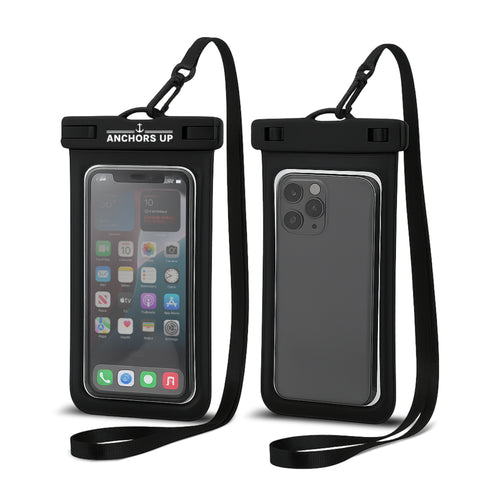
- Waterproof bag or dry bag. If you are doing any boat-based excursions, a waterproof phone pouch keeps your phone and cards safe from spray.
- Seasickness remedies. The crossing to Tromsø can be rough, and any boat excursions from the port may involve North Sea swell. Patches or wristbands are worth packing if you are prone to motion sickness.
Going on a cruise soon? Here are our cruise essentials


Frequently Asked Questions about Tromsø Cruise Port
How far is Tromsø cruise port from the city centre?
Breivika dock (used by most larger cruise ships) is 4 km north of the city centre and takes 10-12 minutes by bus or shuttle. Prostneset dock (used by smaller ships and Hurtigruten) is in the city centre, an easy 5-10 minute walk. The shuttle bus costs approximately 20 EUR; the local city bus (route 42) costs around 12 EUR.
What is the best thing to do in Tromsø on a cruise stop?
Most passengers choose the cable car up Storsteinen for the panoramic Arctic views. In winter, a Northern Lights hunt is the top priority if weather permits. For those who prefer museums, Polaria (Arctic aquarium and museum) is excellent and weather-independent. All three are achievable in an 8-hour port call.
Can I see the Northern Lights on a cruise stop in Tromsø?
Northern Lights are only visible during polar night (roughly November to January). A short port call offers limited opportunity; you would need a dedicated tour that runs at night. Shorter daytime visits will not see the lights. Clear skies are essential; the lights do not appear on cloudy nights.
Is Tromsø safe for cruise passengers?
Yes, Tromsø is very safe. Crime rates are low and locals are friendly toward tourists. Standard precautions apply: keep an eye on valuables in busy areas and avoid displaying expensive items, but pickpocketing and street crime are rare compared to larger European cities.
How long do I need in Tromsø on a cruise stop?
Six hours is tight; you can do one major attraction and a quick walk around the city centre. Eight hours is comfortable and allows time for a cable car visit, coffee, and a meal. Ten or more hours lets you combine two major attractions or a slower-paced exploration with better meals and shopping.
Do I need to pre-book the cable car in advance?
Pre-booking is not usually necessary, even on busy cruise days. The cable car has high capacity and runs frequently. Walk-ups are almost always accommodated. Pre-booking via GetYourGuide or similar offers a small discount and guarantees entry, which some prefer for peace of mind.
What currency is used in Tromsø?
Norwegian krone (NOK). One EUR is approximately 8 NOK. Whilst cards are widely accepted, having some cash is useful for small purchases and tips. ATMs are plentiful around the city centre.
What is the weather like in Tromsø during cruise season?
Winter (November-January) is extremely cold (minus 5 to minus 15 degrees Celsius), with frequent snow and short daylight. Summer (June-August) is cool (10-15 degrees Celsius) with rain and continuous midnight sun. Shoulder seasons (April-May, September-October) are unpredictable; expect cold, wind, and possible snow. Always prepare for cold and wind regardless of season.